Understanding Quebec Car Insurance Rates for 2026: What Drivers Need to Know
If you drive in Quebec, you already know that car insurance here works a little differently than in the rest of Canada. The province’s unique blend of public and private systems, governed by the SAAQ, means that quebec car insurance rates can look quite different from what you’d see in Ontario or out west. As we head into 2026, a lot of drivers are wondering what’s ahead for their premiums and how to make sense of the changes coming down the pipe.
I’ve been watching the auto insurance landscape in Canada for years, and I can tell you that Quebec has always been something of an outlier. The SAAQ handles bodily injury coverage through a public plan, while private insurers compete on property damage, collision, and comprehensive coverage. That split keeps some costs lower, but it also creates a marketplace where comparing quotes is essential. If you’ve ever tried to sort through options from providers like Desjardins, Intact Insurance, Belairdirect, TD Insurance, and Aviva Canada, you know that the differences can add up fast.
Why Quebec Car Insurance Rates Are Different
The biggest factor that sets quebec car insurance rates apart from the rest of Canada is the SAAQ’s role. Because the government covers injury claims through the public plan, private insurers focus on vehicle damage and theft. That removes a huge chunk of potential liability from their books, which generally keeps premiums lower than in provinces where everything is private. But it also means that the rates you see from car insurance providers are more sensitive to things like your driving record, the type of car you drive, and where you park it at night.
Another factor is the no-fault system. In Quebec, no-fault auto insurance applies to injury claims through the SAAQ, but property damage claims are still handled on a fault basis by private insurers. That hybrid model creates some quirks. For example, if you cause an accident, your own insurer pays for the other driver’s property damage, but your own damage might only be covered if you have collision coverage. This makes it really important to understand what your policy actually covers, not just the monthly price.

What to Expect in 2026
Looking ahead to 2026, several trends are shaping how car insurance rates in Quebec will move. Inflation in repair costs and vehicle prices has been pushing premiums up across Canada, and Quebec is no exception. Supply chain issues have made replacement parts more expensive, and newer cars with advanced safety tech are costlier to fix. Insurers like Economical Insurance and Group Aviva are adjusting their pricing models to reflect these realities.
At the same time, telematics and usage-based insurance are becoming more common. Programs that track your driving habits through an app or a device in your car are getting more popular with providers like Intact Insurance and Belairdirect. Safe drivers can see real discounts, but the trade-off is that insurers get a lot of data about your daily habits. It’s worth considering whether the potential savings are worth the privacy cost for you.
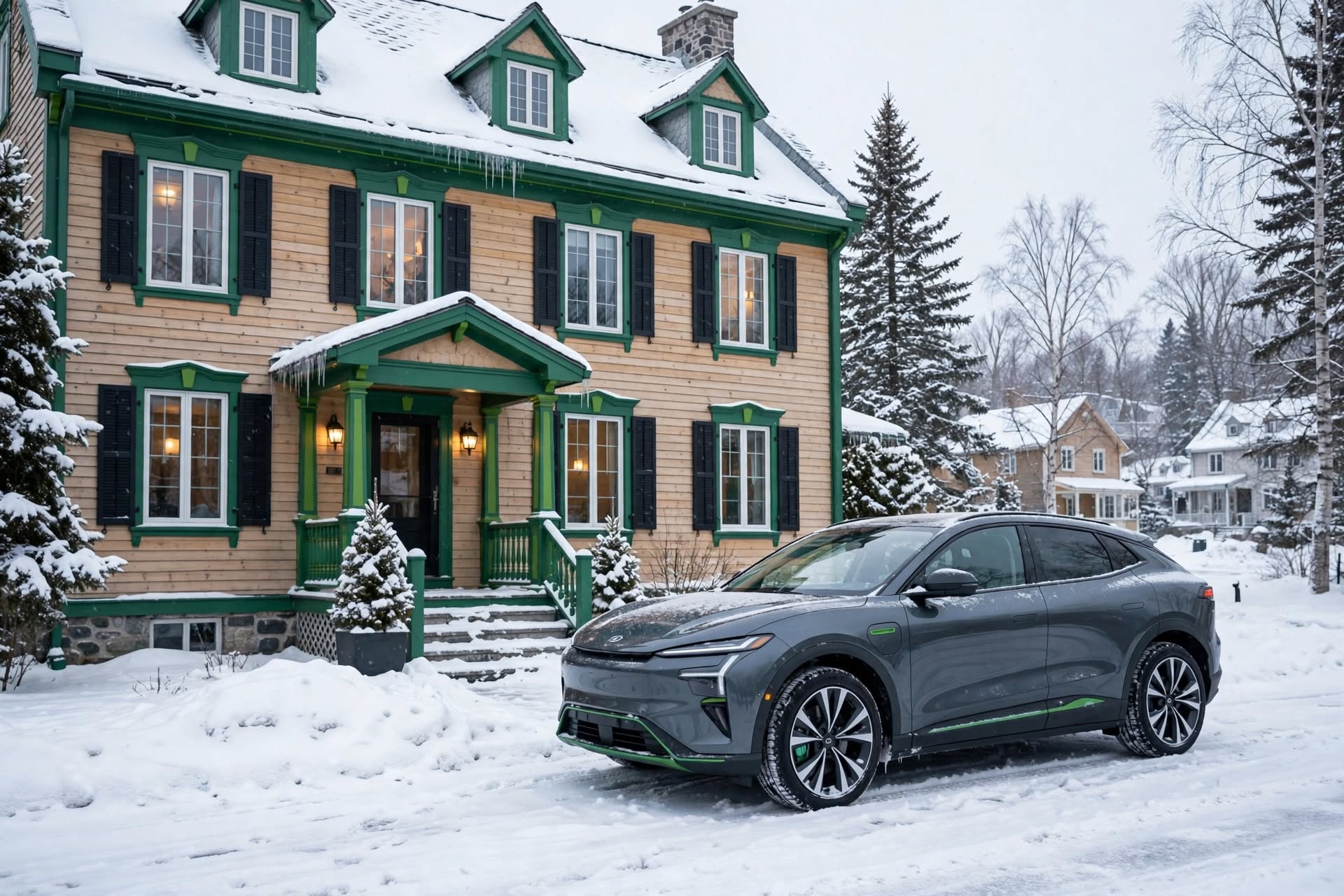
Another shift is the growing number of people driving electric and hybrid vehicles. These cars often cost more to insure because of specialized repair requirements and battery-related risks. If you’re thinking about going electric, it’s smart to check with a few car insurance providers before you buy, because the premium difference can be significant.
How to Compare Car Insurance in Quebec
Doing a thorough car insurance comparison is the best way to keep your costs under control. I’ve seen drivers save hundreds of dollars a year just by shopping around when their policy comes up for renewal. The key is to compare the same coverage limits and deductibles across different insurers, so you’re comparing apples to apples.
Start by gathering quotes from at least three or four companies. Desjardins often has competitive rates for drivers with good records, especially if you bundle home and auto. Intact Insurance is one of the largest providers in Canada and offers a range of discounts. Belairdirect is known for its online-only model, which can keep overhead low and rates competitive. TD Insurance gives discounts to professionals and alumni groups. Aviva Canada and Economical Insurance also have strong offerings, especially for drivers who want more personalized service.
When you get quotes, pay attention to the details. Some policies include accident forgiveness, which prevents your rates from jumping after your first at-fault claim. Others might offer diminishing deductibles that go down over time if you stay claim-free. These features add real value, even if the base premium is a bit higher.

Practical Tips for Lowering Your Premium
Beyond shopping around, there are a few straightforward steps you can take to lower your auto insurance costs. Here are some that I’ve seen work for people in Quebec:
- Raise your deductible. Going from a $500 deductible to $1,000 can reduce your premium by 10 to 15 percent, but make sure you have the cash set aside if you ever need to file a claim.
- Bundle your policies. If you have home, condo, or tenant insurance, putting it with the same provider as your car insurance often earns you a multi-policy discount.
- Ask about loyalty or safe driver discounts. Many insurers reward long-term customers or drivers with clean records.
- Consider dropping collision coverage on older cars. If your car is worth less than a few thousand dollars, the cost of collision coverage might not be worth it.
These strategies work because insurers price based on risk, and anything you can do to signal that you’re a lower risk will help your rate. It’s not about gaming the system; it’s about aligning your choices with how insurers see you.
The Role of Financial Information in Your Decision
Making a smart choice about car insurance requires good financial information. That’s where resources like primecapitalreport.com come in. The site offers reviews and comparisons of car insurance providers and rates across Canada, with a particular focus on Ontario and Quebec for 2026. Checking multiple sources before you buy is always a good idea, because the insurance market changes, and what was true last year might not be true today.
I’ve found that the best decisions come when you combine data from rate comparison tools with a little bit of legwork on your own. Call the companies and ask questions. Read the fine print. Talk to friends and family about their experiences. The more you understand, the less likely you are to end up with a policy that doesn’t fit your needs.
Looking Ahead
As we move closer to 2026, the conversation around quebec car insurance rates will keep evolving. Climate change is driving more extreme weather events, which means more claims for hail damage, flooding, and wildfires. Insurers are already factoring that into their pricing. At the same time, new technology in cars and changes in how people drive, especially with more remote work, are shifting risk patterns.
The best advice I can give is to stay engaged with your insurance. Don’t just let your policy auto-renew every year without checking the market. Set a calendar reminder a few weeks before your renewal date and spend an hour comparing quotes. That one hour can save you a lot of money over the year.
Quebec’s system is different, but it also gives drivers more choice. Use that choice wisely. Whether you go with a big name like Desjardins or Intact Insurance, or a direct player like Belairdirect, the important thing is that you understand what you’re buying and why. The financial information you gather now will pay off every month when you see your premium.